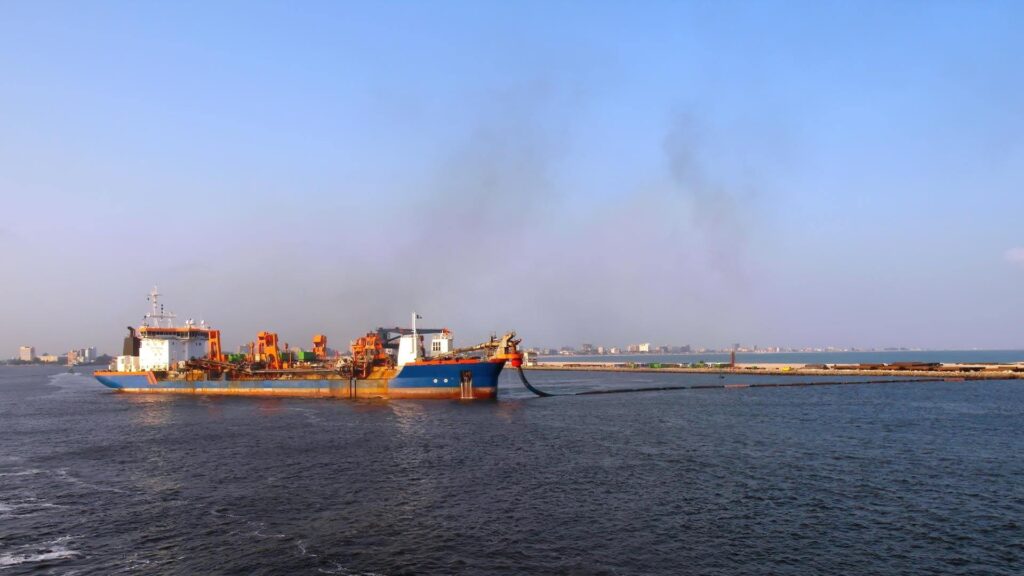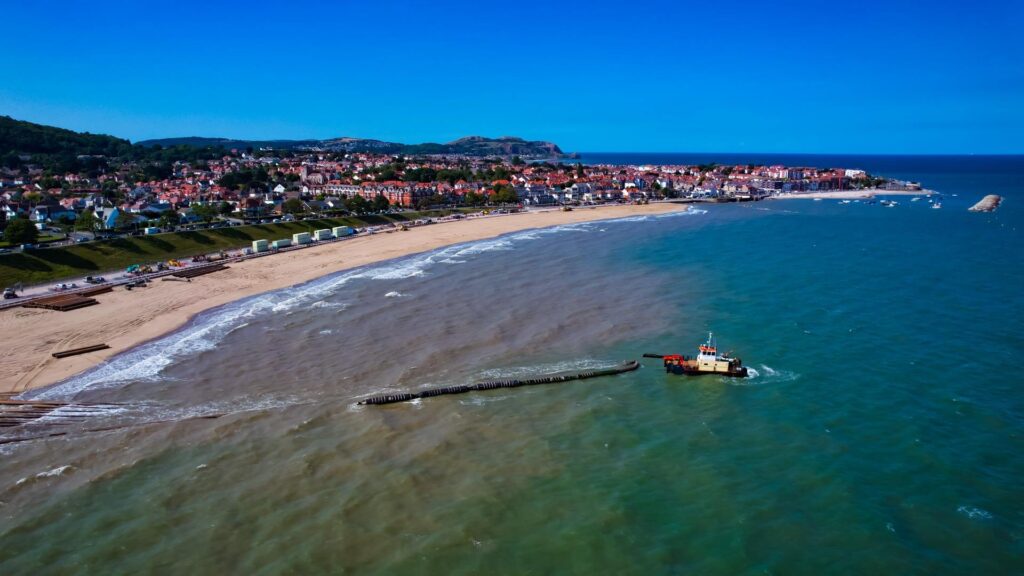
Coastal and harbor zones in Zimbabwe are experiencing faster sediment buildup than most operators can manage. Channels narrow, vessel draft reduces, and routine commerce slows down. The need for reliable Zimbabwe coastal dredging solutions is no longer a seasonal conversation. It has become a core operational requirement for ports, fishing communities, and local authorities that depend on stable waterways. This is where Mazowe Dredge steps in with practical, equipment-driven support that keeps harbors navigable.
Unlike generic contractors, Mazowe Dredge works with the region’s realities. Sediments here are heavier and more abrasive, and often contain vegetation that can block underpowered systems. The company provides site-ready equipment, technical planning, and ongoing support so harbor teams can stay ahead of sedimentation rather than react to emergencies. With a mix of modern pumps, hoses, and specialized systems, Mazowe Dredge helps operators regain control of shallow zones through consistent harbor sediment management.
As ports become busier and climate change increases silt loads, reliable navigational dredging becomes essential. This blog breaks down how Mazowe Dredge addresses these challenges with solutions designed for speed, durability, and cost awareness. It also highlights why a structured approach to coastal dredging solutions in Zimbabwe is an operational advantage for the Country’s coastal communities.

The Sedimentation Pressure On Zimbabwe’s Coastal And Harbor Zones
Sedimentation in Zimbabwe’s coastal and estuarine harbors has become a predictable operational challenge. Heavy rains, upstream soil movement, and narrowing natural channels increase silt accumulation at critical access points each year. For port teams and community authorities, this creates a recurring problem: waterways fill faster than they can be cleared. That is exactly why dependable Zimbabwe coastal dredging solutions are no longer optional.
When sediment levels rise, vessels face reduced maneuvering space and restricted draft. Even small variations in depth can delay cargo movement, disrupt fishing activity, increase grounding risk, and force operators to rely on costly temporary fixes. These disruptions stack up across the logistics chain, making proactive harbor sedimentation management far more sustainable than reactive clearing.
Local surveys across several African coastal sites show a common pattern. Depth can drop by 15-30 percent after a single rainy season. In many small harbors, that drop is enough to block medium vessels completely. Without a structured dredging plan, ports experience increased downtime, rising operational costs, and lower community access.
The challenge is not just the volume of sediment but also the type. Many Zimbabwean harbor zones handle thick, abrasive, vegetation-rich material that standard pumps struggle to handle. This is exactly the gap Mazowe Dredge addresses by pairing site-appropriate equipment with a workflow that prevents recurring blockages.
Why Standard Dredging Methods Fall Short In Zimbabwe
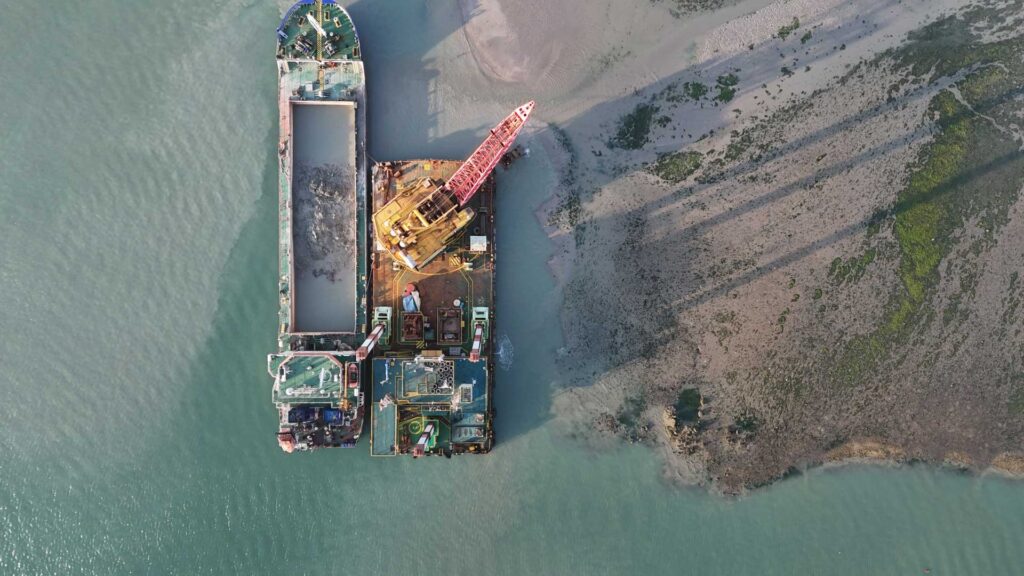
Many harbor teams start dredging with whatever equipment is available, but in Zimbabwe, this approach rarely works for long. The sediments found in coastal and harbor areas are heavier, more abrasive, and mixed with organic debris that quickly clogs underpowered systems. This is why one-size-fits-all dredging often fails before real progress is even visible. The region needs Zimbabwe coastal dredging solutions that are built for these tougher conditions.
A common issue is relying on pumps that cannot maintain consistent suction when sediment density increases. Operators stop every few minutes to unclog lines, wasting time and fuel. Another challenge is the use of small hoses that restrict flow and make sediment removal inefficient. When this happens repeatedly, ports drift into emergency mode rather than executing a planned harbor sedimentation management strategy.
Seasonality adds another layer of difficulty. Right after the rains, sediment inflow peaks. If the equipment on site is not designed for high-volume, vegetation-laden slurry, dredging slows down, and channels remain shallow for weeks. This is exactly the period when fishing boats, transport vessels, and community water traffic need clear access.
Without the right setup, navigational dredging becomes expensive, slow, and unreliable. Mazowe Dredge designs solutions to address these specific Zimbabwean challenges. From stronger pumps to durable hose systems and improved sediment-handling layouts, the company ensures that the performance of Zimbabwe coastal dredging solutions remains stable even under demanding conditions.
Mazowe Dredge’s Equipment Mix And On-The-Ground Approach Were Designed For Zimbabwean Conditions
The strength of Mazowe Dredge lies in its ability to match the right equipment to the exact sediment profile in Zimbabwe’s coastal and harbor zones. Instead of pushing generic machinery, the company focuses on what actually works on abrasive, vegetation-heavy, fast-settling material. This is the foundation of effective Zimbabwe coastal dredging solutions and the reason Mazowe Dredge’s projects maintain steady progress where standard setups fail.
Mazowe supplies and configures high-performance slurry pumps that handle thick, uneven sediment without recurring clogging. These pumps maintain flow even when the material includes roots, weeds, or compacted fines that typically stop conventional systems. For harbor teams managing shallow spots, this matters because uninterrupted pumping is essential for efficient harbor sedimentation management.
In addition to pumps, Mazowe deploys a durable hose system that matches the expected pressure and sediment load. Many small ports use lighter hoses that collapse, leak, or tear under abrasive flow. Mazowe’s hoses are reinforced for longer service life, higher discharge volume, and reduced downtime. Combined with floats and fittings designed for rough coastal conditions, the hardware functions as a system rather than a collection of components.
For complex areas with an uneven or partially compacted sediment bed, Mazowe recommends dredge attachments that enhance reach and precision. These attachments allow operators to target hotspots, move material faster, and avoid unnecessary excavation. This structured method elevates routine dredging into reliable, year-round navigational dredging that ports can depend on.

Every component Mazowe provides is chosen to reduce interruptions, increase removal rates, and help harbor authorities stay ahead of sediment buildup. By matching equipment to real environmental conditions, Mazowe Dredge delivers solutions that are not only efficient but long-term and cost-stable.
A Practical Project Workflow That Keeps Dredging Consistent And Predictable
Mazowe Dredge approaches every project with a structured workflow, enabling harbor teams to move from reactive clearing to controlled, predictable operations. This step-by-step method makes Zimbabwe’s coastal dredging solutions reliable rather than relying on seasonal guesswork. Each stage reduces delays, equipment stress, and unnecessary costs.
The process begins with a targeted site assessment that identifies sediment depth, density variations, and potential choke points. This allows Mazowe to plan the right pump size, hose configuration, and dredging path. When harbors rely on rough estimates, most dredging sessions end up undersized or poorly aligned. Mazowe eliminates that risk and sets a clear baseline for harbor sedimentation management.
Mobilization is equally planned. Equipment placement, hose routing, and discharge area setup are finalized before dredging begins. This avoids the common stop-and-restart cycles that slow down operations. Once active pumping begins, operators follow a defined sequence to maintain steady flow and prevent pressure drops. Sediment is moved in controlled layers rather than in random cuts, keeping the channel stable and safe for vessels.
Monitoring remains active throughout the project. Mazowe uses periodic depth checks to adjust pump angles, suction points, and discharge rates during the same session. This real-time adjustment strengthens long-term navigational dredging, ensuring a consistent cleared depth rather than unevenness.
The workflow closes with a short maintenance plan that keeps the harbor from returning to emergency dredging. This includes seasonal checks, small corrective dredges, and optimized equipment rotation. Each step is built to support ports that need year-round waterway access without constant delays.
Case Study: How Mazowe Dredge Restored Safe Navigation For A Sediment-Choked Harbor
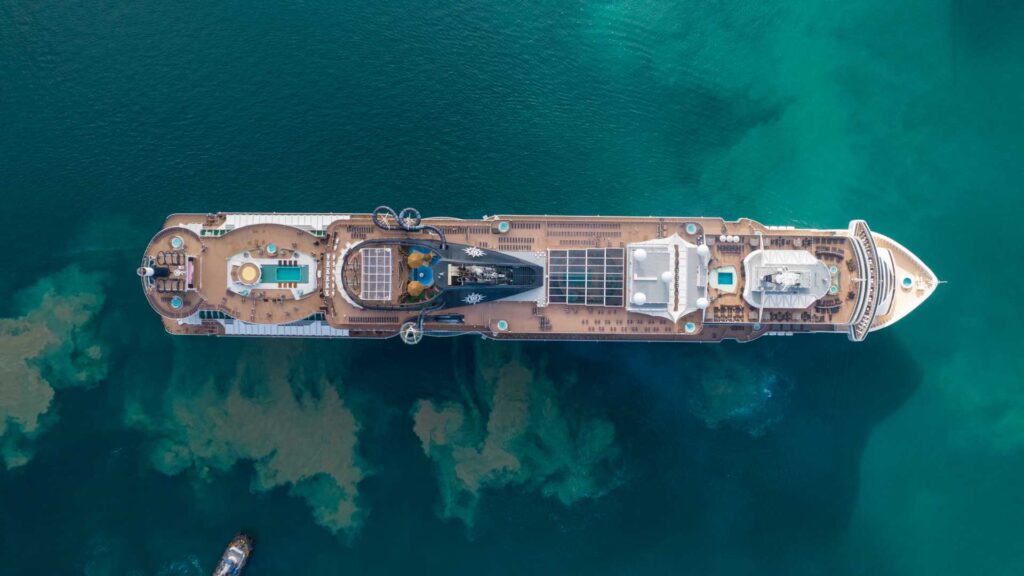
One of the most common challenges Mazowe encounters in coastal Zimbabwe is a harbor that slowly loses operational depth over several seasons. In this case, a small community harbor had reached a point where vessels were scraping the bed at low tide, and medium-size boats could not enter at all. Sediment had compacted in layers, mixing fine silt with heavy organic debris. The harbor authority needed reliable Zimbabwe coastal dredging solutions that could deliver results quickly without disrupting daily traffic.
Mazowe started with a direct depth and sediment assessment. The survey confirmed that nearly 1.3 meters of depth had been lost across the main approach channel. Traditional pumps previously used by the port repeatedly clogged, leaving the issue unresolved. Based on sediment density, Mazowe deployed a high-capacity slurry pump with reinforced hoses and float systems to handle abrasive material. This setup allowed continuous flow without blockages, a critical factor in managing harbor sedimentation efficiently.
The Zimbabwe coastal dredging solutions plan was executed in defined strips to maintain safe passage for smaller vessels throughout the operation. Operators adjusted suction angles in real time as Mazowe’s monitoring checks showed changes in sediment thickness. By the end of the cycle, approximately 8,000 cubic meters of material had been removed, restoring the required draft for fishing boats, transport vessels, and emergency response craft.
The results went beyond depth recovery. Vessel delays dropped sharply. Fuel costs for maneuvering in shallow water were reduced. Community fishermen regained reliable access to deeper zones. With stable depth restored, the harbor authority implemented a quarterly check-up schedule with Mazowe to prevent future buildup and maintain consistent navigational dredging.
This case reflects a pattern Mazowe sees across Zimbabwe’s coastal areas. Success comes from pairing the right equipment with a clean workflow and adapting to sediment behavior instead of forcing outdated methods. It is a direct demonstration of how Mazowe’s approach creates operational gains, not just temporary clearing.
Community And Environmental Safeguards Are Built Into Mazowe’s Dredging Approach
Effective dredging in Zimbabwe’s coastal and harbor zones must account for community impacts and environmental stability. Mazowe Dredge designs every project to ensure sediment removal supports safe navigation without disrupting the surrounding ecosystem. This balanced method strengthens long-term harbor sedimentation management and makes dredging easier to maintain year after year.
Before any dredging begins, Mazowe reviews the site for sensitive zones such as spawning areas, high-activity fishing spots, or locations where excessive disturbance could affect water quality. Based on these findings, the team recommends timing adjustments and controlled suction paths that reduce unnecessary sediment agitation. This practical planning ensures that Zimbabwe’s coastal dredging solutions align with local conditions rather than create new disruptions.
Mazowe also uses practical containment tools, such as silt curtains, where needed to limit the spread of turbidity during operations. Discharge points are selected carefully so that the removed material settles in a controlled area or is directed to beneficial reuse options, such as shoreline strengthening or land reclamation. These steps are simple but essential, especially in small community harbors where water clarity and access matter daily.
Throughout the project, Mazowe operators monitor flow, sediment density, and water movement to prevent overcutting or bed destabilization. This disciplined process aligns directly with dependable navigational dredging by keeping channels safe without creating weak spots or sudden depth variations.
By integrating community awareness, environmental safeguards, and stable engineering practices, Mazowe ensures that dredging supports both operational goals and long-term coastal resilience.
Practical Operational Habits That Help Harbor Teams Stay Ahead Of Sediment Buildup
One of the biggest advantages for any harbor authority is adopting small, consistent practices that prevent sediment issues from turning into full disruptions. These habits do not replace dredging, but they make every dredging cycle smoother, faster, and more predictable. When aligned with Mazowe’s support, they provide a strong foundation for effective harbor sedimentation management year-round.
Regular depth checks before and after the rainy season help operators identify early signs of narrowing channels. Even minor depth drops can signal impending blockages, giving the team enough time to plan equipment mobilization rather than react at the last minute. Early detection also makes it easier to schedule Zimbabwe coastal dredging solutions during quieter periods when vessel movement is lower.
Operators benefit from tracking how wind and tide patterns, as well as nearby land activity, influence silt movement. Many harbors experience sediment shifting in recurring cycles; once these patterns are understood, dredging paths can be optimized rather than redrawn each season. It also becomes easier to maintain steady access points for fishing boats, local ferries, and service vessels.
Maintaining a clear discharge area is another simple step that often gets overlooked. When the discharge zone fills or collapses, dredged material flows unevenly, slowing the entire operation. Keeping this space organized prevents bottlenecks and enables smoother navigation during active cycles.
By making these practices routine, harbor teams shift to proactive rather than defensive work. The result is fewer surprises, lower costs, and dredging cycles that deliver more consistent outcomes.
How Mazowe Dredge Builds Long-Term Partnerships With Harbor Teams And Coastal Authorities
Successful dredging in Zimbabwe is not a one-time activity. Harbors that remain navigable year-round rely on stable support, clear communication, and equipment that matches the realities of changing sediment loads. Mazowe Dredge structures its work around these needs, offering partnership models that help operators maintain ongoing control rather than dealing with sudden emergencies. This is a major reason their Zimbabwe coastal dredging solutions continue to deliver predictable results.
Many ports prefer equipment rentals because they provide access to high-performance pumps, hoses, and dredging attachments without committing to a full purchase. Mazowe Dredge supports this by providing ready-to-deploy units and setup guidance, enabling teams to begin sediment removal without delay. For authorities planning long-term development, purchasing equipment becomes a practical option. Mazowe assists with model selection, capacity sizing, and configuration to ensure the system supports both routine clearing and heavier seasonal dredging.
Training is another key part of Mazowe’s offering. Operators often lose efficiency due to underutilized equipment or misconfigured systems. Mazowe’s on-site training sessions cover pump handling, hose management, suction positioning, and troubleshooting, giving harbor teams the confidence to manage harbor sedimentation management more independently.
For larger coastal authorities, Mazowe provides managed dredging services, with the team handling workforce, equipment, monitoring, and periodic assessments. This ensures every dredging cycle meets depth targets and supports consistent navigational dredging throughout the year.
By aligning equipment options, operational support, and ongoing training, Mazowe builds partnerships that help ports protect their waterways and plan with clarity rather than uncertainty.
Conclusion
Keeping harbors open and safe is becoming more difficult as sediment accumulates faster across Zimbabwe’s coastal zones. With practical planning, reliable equipment, and consistent execution, Mazowe Dredge helps operators turn this challenge into a manageable routine. The company’s coastal dredging solutions in Zimbabwe provide ports, fishing communities, and coastal authorities with a clear way to maintain depth, reduce downtime, and strengthen long-term access. When harbor sedimentation management is supported by the right tools and a structured approach, navigability becomes a stable operational standard rather than a seasonal concern.
If your harbor, channel, or community landing site needs dependable support, Mazowe is ready with solutions that fit real field conditions and budget requirements.
Next steps you can take immediately include requesting a site assessment to understand your sediment profile. Or explore our equipment options for your dredging needs. Moreover, consider long-term planning to ensure consistent navigational dredging throughout the year.