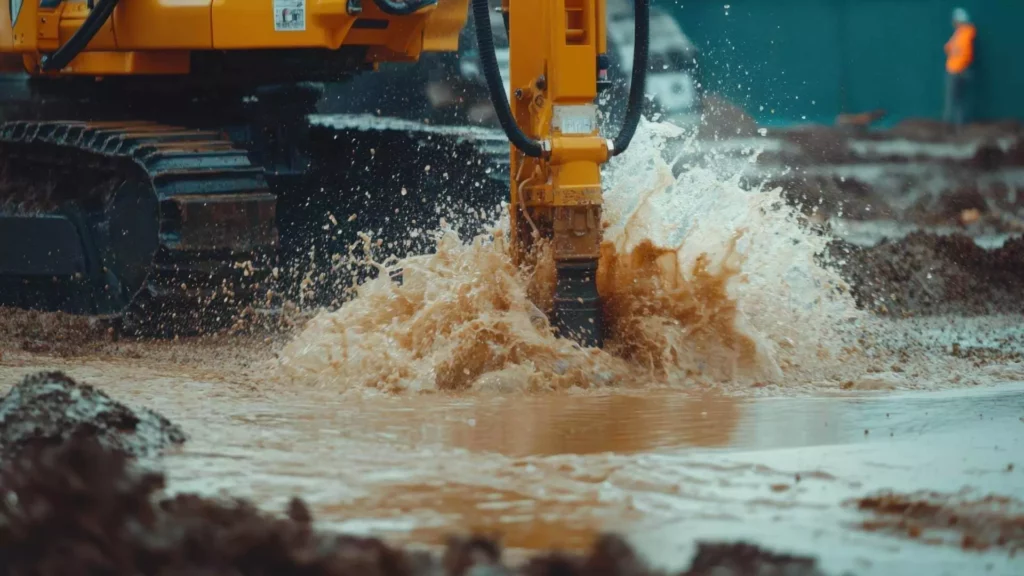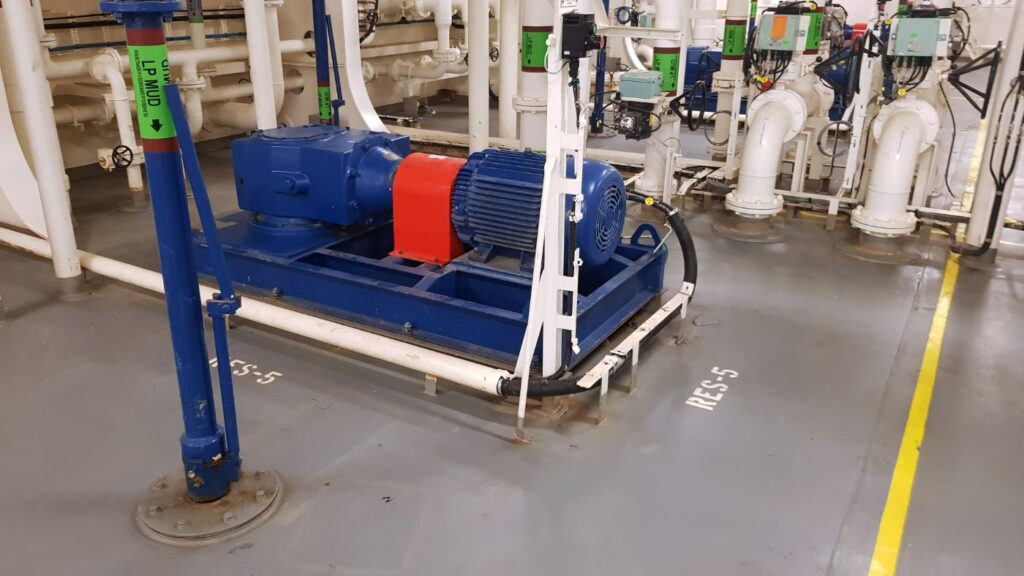
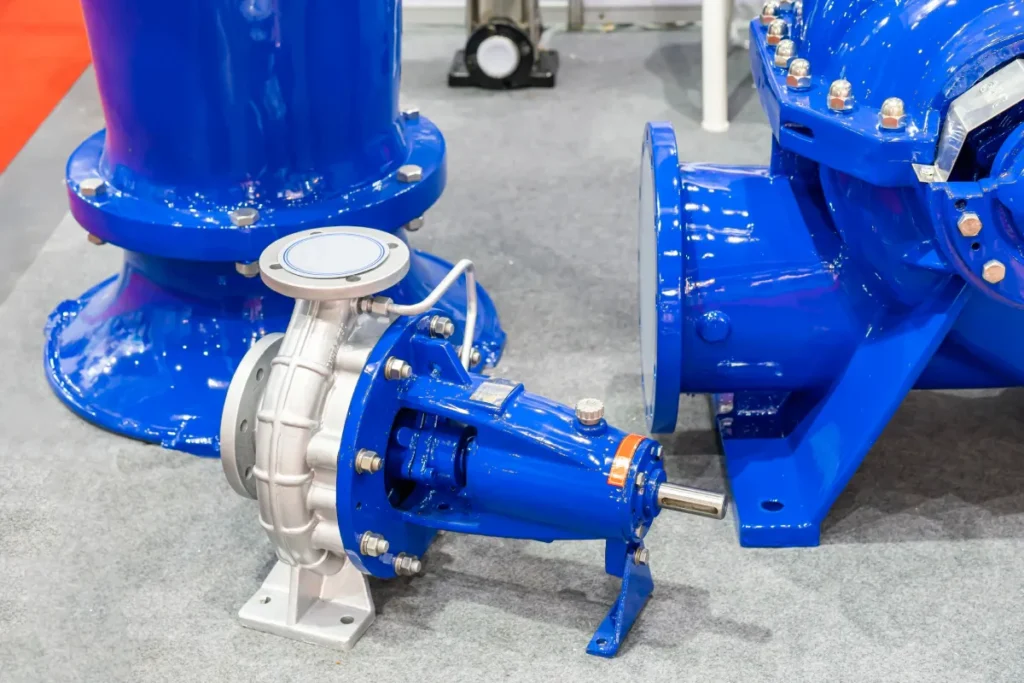
Abrasive slurry pump systems are specifically engineered to tackle one of the toughest industrial challenges: handling abrasive, highly viscous mixtures in demanding environments such as mining, dredging, and oil and gas. These operations frequently transport fluids containing sand, silt, mineral particles, or chemical residues, materials that can quickly degrade conventional pumps, reduce flow efficiency, and cause repeated equipment failures. Constant exposure to solid-laden fluids under high pressure and velocity accelerates wear on impellers, casings, and seals, leading to costly downtime, higher maintenance requirements, and operational disruptions.
This is where the abrasive slurry pump proves indispensable. Designed specifically for the controlled movement of solid-laden fluids, it uses advanced materials and a centrifugal mechanism to maintain consistent flow even under high abrasion and viscosity. Unlike conventional units, abrasive slurry pumps feature reinforced casings, wear-resistant liners, and optimized impeller geometries, ensuring longer service life and reduced energy consumption.
At Mazowe Dredge, this engineering principle translates into practical field reliability. Our range of self-priming dewatering and slurry handling systems is built to perform in harsh, real-world environments, where uptime, efficiency, and lifecycle value define success. Each anti-abrasive sand slurry pump is precision-engineered to minimize wear, maintain consistent discharge pressure, and withstand prolonged exposure to abrasive media, making it a trusted choice for industrial and government clients seeking long-term, low-maintenance performance.
Understanding Abrasive Slurry Pumps
What Makes a Pump “Abrasive Slurry-Ready”
Equipment that can tolerate severe wear is necessary for industrial operations that handle mixes with high solid concentrations, such as sand, ore, silt, or cement. For this reason, abrasive slurry pumps are particularly designed. These pumps are made of wear-resistant materials such as high-chrome alloys, rubber linings, or ceramics, unlike conventional centrifugal pumps, which are usually designed for clean or slightly polluted fluids. To minimize erosion and maintain consistent hydraulic efficiency over long operating cycles, their internal geometry—including impeller design and volute shape—is tuned to reduce turbulence and particle impact.
Even minor design flaws can lead to early failure in highly erosive environments such as dredging, mineral transport, or silt removal. The anti-abrasive sand slurry pump is necessary in this situation. It is designed to withstand the abrasive nature of sand and silt without experiencing substantial pressure or performance loss, thanks to its reinforced casings, interchangeable liners, and adjustable clearances. Because of these design factors, abrasive slurry pumps are the best option for activities where ongoing production depends on longevity, predictable wear rates, and little maintenance intervention.

Why They Matter in Industrial Operations
Pump reliability directly impacts operating costs and project deadlines for businesses that depend on uptime and output consistency. One unplanned pump-wear-related closure could stop production, disrupt logistics, and increase maintenance costs. The anti-abrasive sand slurry pump reduces these dangers by using innovative materials and design features, providing steady flow rates and reduced component wear even while operating continuously.
Procurement heads and engineering managers value abrasive slurry pumps not only for their mechanical resilience but also for their impact on return on investment. Their longer service intervals, predictable maintenance schedules, and reduced energy losses translate into measurable savings over the equipment lifecycle. In public works, dredging, and municipal infrastructure projects, this credibility ensures consistent service delivery and cost efficiency, making the anti-abrasive sand slurry pump a high-quality, well-planned investment rather than a mere operational tool.
Working Principle: How Abrasive Slurry Pumps Deliver Reliable Flow
To move a fluid containing solid particles, the abrasive slurry pump uses the centrifugal pumping principle, which converts mechanical energy from the impeller into kinetic and pressure energy. The slurry is directed toward the impeller eye when it enters the pump from the input. The mixture is given velocity by the revolving impeller, which uses centrifugal force to push it outward. As the slurry reaches the volute casing, its velocity is converted to pressure, allowing the pump to deliver the mixture at a higher pressure and flow rate. Even in thick or viscous slurries, this mechanism guarantees constant, highly effective transmission of abrasive materials.
The flow path within an abrasive slurry pump follows a precise hydraulic design: inlet → impeller → volute → discharge. Each stage is engineered to minimize turbulence and prevent particle buildup that could disrupt flow. The volute shape and impeller vane angle are optimized to reduce backflow and maintain smooth discharge, even when handling high concentrations of sand or mineral solids.
These pumps include several wear-control measures to ensure longevity under harsh operating conditions. As internal parts deteriorate over time, operators can maintain performance with adjustable impeller clearances. Anti-corrosive linings, such as high-chrome iron, rubber, or corrosion-resistant ceramic materials, are used to support the casing and flow passageways. Heavy-duty shaft seals and bearings, on the other hand, offer vital defense against slurry infiltration, preventing internal moving parts from failing too soon.
In demanding field environments like dredging operations, mineral transport pipelines, or wastewater pits, the abrasive slurry pump demonstrates exceptional operational stability. The rugged design of the anti-abrasive sand slurry pump enables it to maintain consistent hydraulic efficiency even under harsh sediment and corrosive media conditions. By minimizing mechanical wear and maintaining pressure integrity, the anti-abrasive sand slurry pump ensures reliable, long-term performance where standard pumping systems would quickly degrade.
Applications Across Key Industries
Mining & Mineral Processing
Productivity and operational continuity in mining operations are directly impacted by the capacity to transport abrasive combinations such as tailings, mineral ores, and slurry streams. These systems depend on abrasive slurry pumps, which offer steady flow at high densities while withstanding wear from coarse particles. Because of its durable structure and effective hydraulic design, fewer components need to be replaced, lowering maintenance costs and minimizing production disruptions. This dependability immediately translates into lower total cost of ownership and better equipment ROI for project managers and procurement directors.
Dredging & Marine Operations
Dredging projects demand continuous and stable performance in highly abrasive and variable environments. The anti abrasive sand slurry pump is engineered to manage sand, silt, and sediment removal efficiently, maintaining steady discharge pressure even when operating at different depths or in fluctuating particle concentrations. Abrasive slurry pumps used in marine applications enable longer operational cycles, decreased downtime, and optimized fuel consumption, critical advantages for contractors managing large-scale coastal or inland dredging projects.
Oil & Gas and Chemical Plants
In the oil, gas, and chemical sectors, pumping systems must handle fluids that are both abrasive and corrosive. Abrasive slurry pumps with specialized linings, reinforced seals, and precision-engineered impellers ensure safe and efficient transport of slurries, catalysts, and chemical by-products. The integration of corrosion-resistant materials minimizes degradation, extending service intervals and ensuring process reliability. This leads to measurable efficiency gains and reduced maintenance expenditure over long production cycles.
Power Generation
Thermal and coal-fired power plants rely on efficient handling of ash, fly slurry, and waste residue. An abrasive slurry pump ensures uninterrupted material flow in these demanding applications, helping maintain plant uptime and prevent blockages that could disrupt operations. The pump’s robust design not only reduces repair frequency but also enhances energy efficiency, contributing to long-term operational savings and consistent plant performance.

Municipal & Government Projects
Large-scale sediment, sludge, and floodwater control are frequently included in public infrastructure and environmental management initiatives. Maintaining flow capacity in irrigation systems, drainage channels, and marine dredging projects requires the use of abrasive slurry pumps. They are a dependable option for government organizations and local authorities concerned with lifecycle efficiency, service dependability, and budget accountability due to their demonstrated longevity and low maintenance requirements.
Construction & Infrastructure
Abrasive slurry pumps are used in construction settings to precisely transport excavation materials, concrete mixes, and bentonite slurries. Their capacity to manage particulate-rich, thick fluids lowers the need for manual intervention and increases site productivity. The combination of lower wear costs, consistent performance, and less downtime gives large-scale contractors a real competitive edge, highlighting the need to select the appropriate abrasive slurry pump for challenging on-site circumstances.
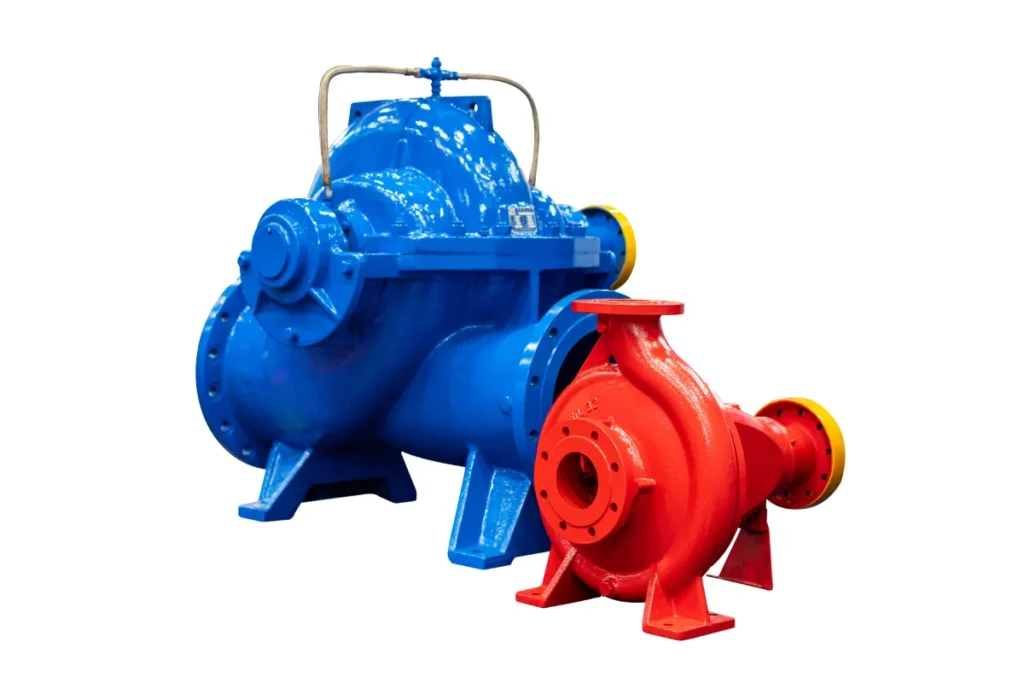
Types of Abrasive Slurry Pumps
Selecting the right abrasive slurry pump depends on the specific operational environment, slurry characteristics, and maintenance accessibility. Different configurations are designed to balance flow requirements, head conditions, and wear resistance, ensuring optimal performance in diverse industrial applications.
Centrifugal (Horizontal & Vertical) Pumps
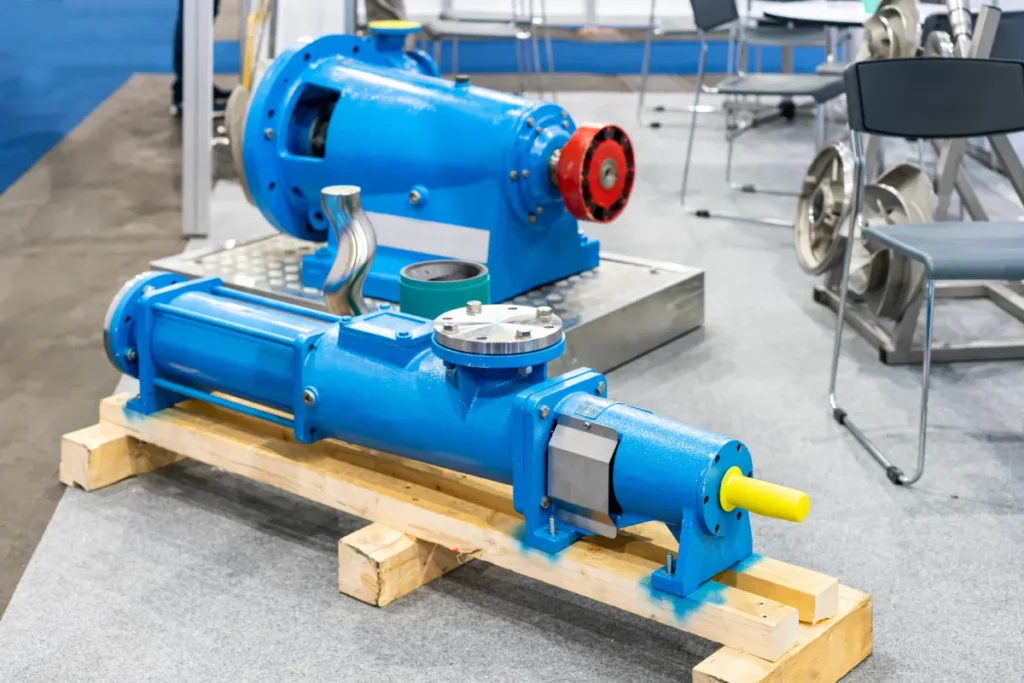
The centrifugal configuration remains the foundation of most slurry handling systems. A horizontal abrasive slurry pump is typically used for large-scale material transfer in mining, dredging, and mineral processing plants, where high capacity and easy maintenance are essential. Conversely, the vertical design is preferred when floor space is limited or when the pump must handle fluids directly from deep pits or sumps. Both versions are engineered for maximum efficiency, utilizing wear-resistant materials and adjustable impellers to maintain consistent output even under heavy abrasion.
Submersible Pumps
When operations require direct fluid engagement, such as underwater dredging or sediment extraction, submersible designs offer a practical and efficient solution. The anti abrasive sand slurry pump in submersible form eliminates suction limitations by operating fully submerged, ensuring continuous flow without cavitation. Its sealed motor housing and corrosion-resistant components make it ideal for harsh marine and industrial environments, providing dependable performance in varying depths and sediment concentrations.
Peristaltic and Hydraulic Units
For specialized applications involving viscous, corrosive, or chemically reactive fluids, peristaltic and hydraulic models offer superior control and versatility. These pumps move slurry through flexible tubing or controlled hydraulic actuation, avoiding direct contact between mechanical components and abrasive media. The abrasive slurry pump in hydraulic configurations is often deployed for mobile or temporary pumping tasks, such as field-based dredging or emergency sediment transfer. Similarly, the anti abrasive sand slurry pump variant ensures stable performance where chemical exposure and fine particulate abrasion occur simultaneously.
Choosing the Right Configuration
When selecting an abrasive slurry pump, decision-makers must evaluate several parameters, head pressure, solids concentration, slurry viscosity, and service accessibility. Each configuration offers distinct advantages, from the energy efficiency of horizontal centrifugal pumps to the flexibility of hydraulic and submersible models. By aligning the pump design with operational requirements, industries can achieve superior reliability, reduced wear, and optimal lifecycle value in demanding field conditions.

Performance, Efficiency, and ROI Considerations
When evaluating the performance and value of an abrasive slurry pump, it’s essential to look beyond the initial purchase price. The true measure of cost-effectiveness lies in the total cost of ownership, a balance between efficiency, maintenance frequency, and operational lifespan. High-quality materials and engineering design play a decisive role in reducing long-term expenses. Pumps constructed with high-chrome alloys, rubber linings, or ceramic components significantly outperform lower-grade alternatives, maintaining hydraulic efficiency and reducing wear-related downtime. This durability directly contributes to higher ROI, especially in demanding sectors such as mining, dredging, and power generation.
Energy efficiency depends equally on the size and layout of the pump. While undersized systems find it difficult to sustain necessary flow rates under load, oversized units waste electricity and accelerate wear. Throughout operational cycles, optimal velocity, less turbulence, and low energy loss are guaranteed by an appropriately designed abrasive slurry pump. Even minor efficiency improvements result in significant power savings and longer service life in large-scale operations where pumps operate continually.
System reliability is further improved by condition monitoring and predictive maintenance. Features that let operators monitor wear rates, vibration levels, and performance trends are frequently found in current abrasive slurry pumps. By anticipating maintenance requirements before to failure, these insights assist avoid expensive shutdowns and unforeseen repairs. Integrating these diagnostics guarantees continuous productivity and improved lifecycle control for operators in distant or high-load scenarios.
At Mazowe Dredge, this philosophy defines every anti-abrasive sand slurry pump we design and manufacture. Our engineering approach prioritizes uptime and energy efficiency, combining robust materials with precision-built hydraulics to deliver long-term operational stability. Each anti-abrasive sand slurry pump is field-tested for endurance, ensuring consistent performance under the most abrasive conditions while maximizing output and minimizing lifecycle costs for industrial clients.
Reliable Performance in the Harshest Environments
In industries where reliability and operational efficiency directly affect profitability, investing in the right equipment can define long-term success. Using properly engineered abrasive slurry pumps ensures stable performance under the most demanding conditions, whether transporting dense mineral slurries, removing sediments from dredging sites, or managing high-solid wastewater streams. The right system minimizes energy losses, reduces mechanical wear, and extends maintenance intervals, resulting in substantial operational savings over time. Inferior equipment, by contrast, often leads to frequent breakdowns, costly repairs, and production delays that far outweigh any short-term cost advantage.
Mazowe Dredge’s approach is built on this understanding. Each of its abrasive slurry pumps is designed with precision, emphasizing structural integrity, hydraulic balance, and erosion resistance. By combining advanced metallurgy, optimized impeller geometries, and corrosion-resistant linings, these pumps deliver consistent output and reduced lifecycle costs even under continuous, high-pressure workloads. For industries that depend on uninterrupted operation, such as mining, dredging, and heavy construction, this reliability translates directly into measurable efficiency gains and improved project ROI.Engineered to perform where other systems fail, the anti-abrasive sand slurry pump from Mazowe Dredge exemplifies durability and field-tested reliability. Every model is built for long-term service in harsh environments, capable of handling sand, silt, and mineral-rich mixtures without compromising flow stability or power efficiency. Combined with technical support and custom configuration expertise, Mazowe Dredge offers more than just products; it provides performance assurance tailored to real-world challenges.